
Clear, Step-by-Step Instructions
Follow organized project instructions designed to help you understand each stage of the building process.
Join 100k+ builders. Download exploded views, materials cut lists, and step-by-step guides.
Bring your woodworking ideas to life with detailed project plans, illustrated diagrams, material lists, and step-by-step instructions. Whether you're building your first piece of furniture or tackling your next workshop project, having a clear plan can make the process easier to understand and more enjoyable. Explore a library of 16,000+ woodworking plans covering furniture, outdoor projects, small crafts, cabinets, and workshop improvements.
Make woodworking easy and effortless with step by step plans, detailed instructions and blown-up schematics.
Say goodbye to your woodworking struggles and confusion - get the freedom to build anything you want out of 16,000 different projects!
Follow organized project instructions designed to help you understand each stage of the building process.
Explore a broad selection of woodworking plans for projects around your home, garden, and workshop.
Find inspiration and practical guidance for your next woodworking project. Explore plans with diagrams, material lists, and assembly instructions to help you prepare before picking up your tools.
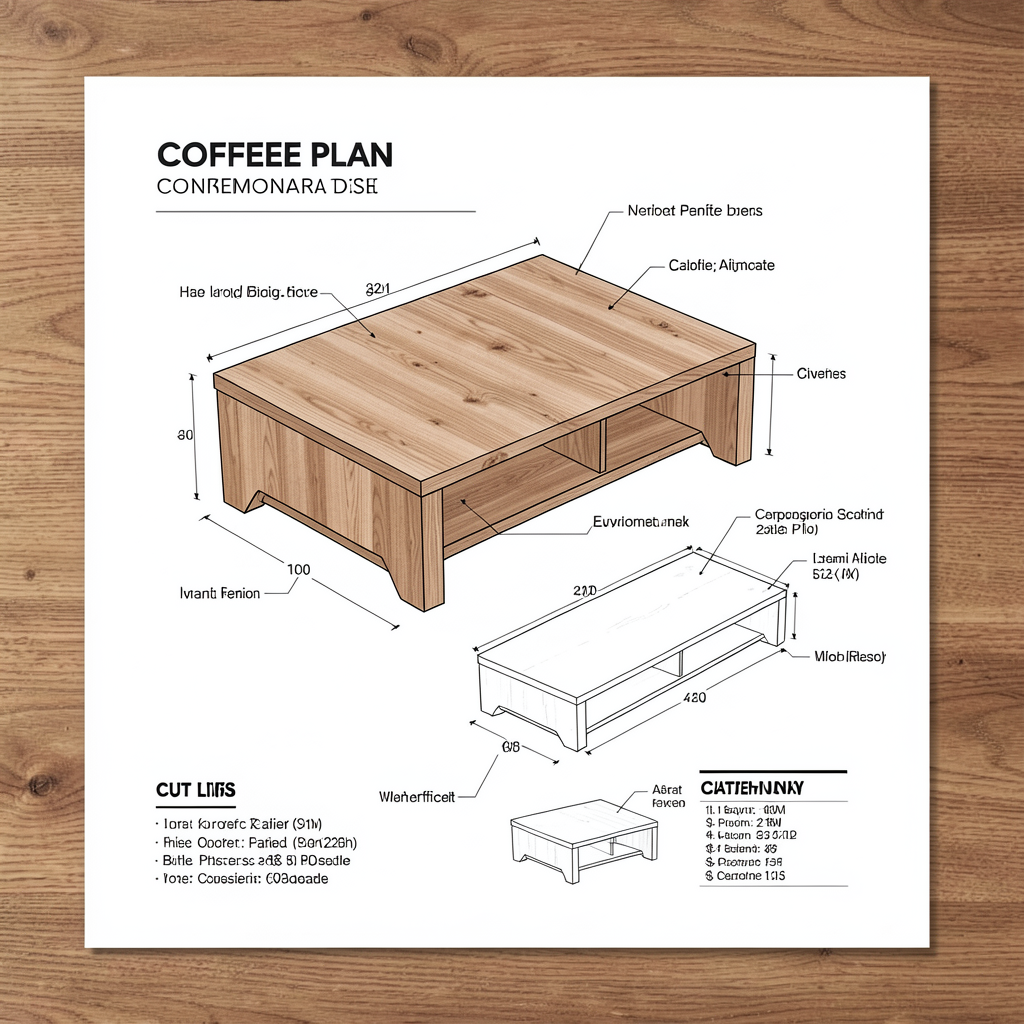 Coffee Table Plan
Exploded view, cut list, and a quick start guide to build a sturdy, stylish table in a weekend.
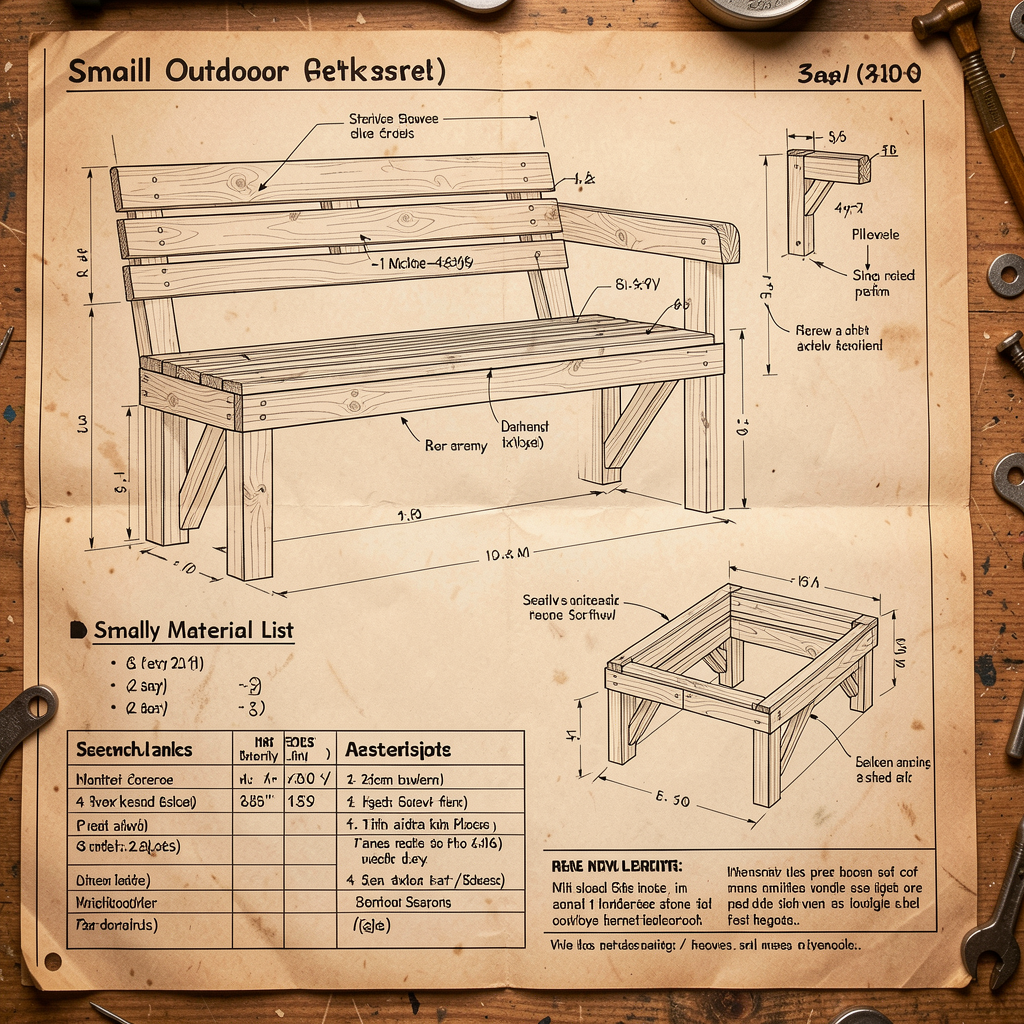 Outdoor Bench Plan
Weather-ready construction with weather-safe finishes and simple joinery.
A little preparation can make a big difference. Use project guides to understand the materials, tools, and steps involved before getting started.

Chairs, tables, cabinets, and refined joinery.

Pocket-worthy builds and quick wins.

Weather-ready pieces for patios and yards.
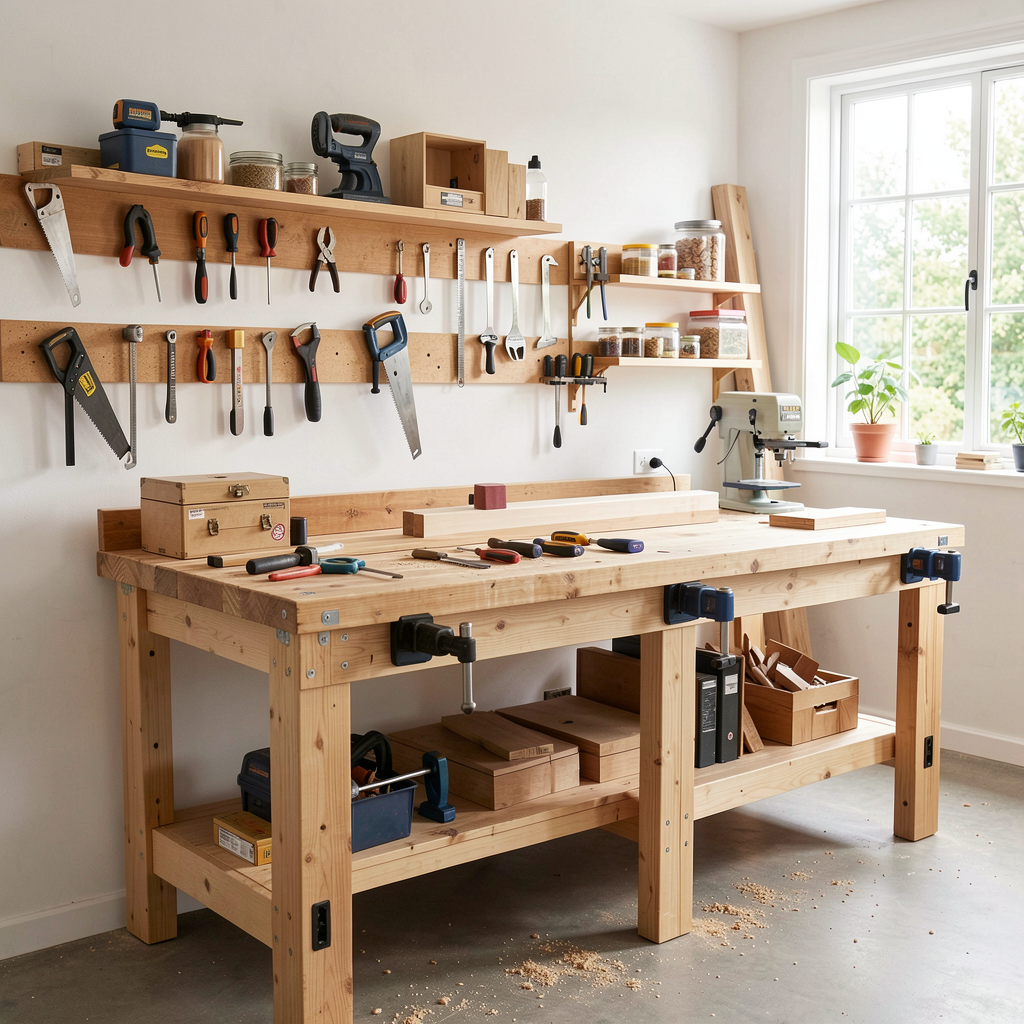
Upgrade your workspace with practical builds.
 Alex M.
“The plans are crystal clear. I finally finished a dining chair without second-guessing measurements.”
 Jordan K.
“The 16,000 projects library is a game changer. So many ideas, but still organized.”
 Sophie L.
“Free previews helped me decide before buying. The plans are well structured and reliable.”
No credit card required. See a sample of plans, exploded views, and instruction style to decide if our master woodworking catalog fits your Projects.